ShowShanti
  • Home
  • Recipes
    • Chinese Cuisine >
      • Soy-sauce-Braised Pork Belly
      • Shanti's Twice-Cooked Pork 湘緹的回鍋肉
      • Twice-Cooked Pork Haunch
      • September Stir-fry: Okra, Eggplant, and Peppers
    • Other Cuisines >
      • Guisado de Puerco
      • Kale & Quinoa Crustless Quiche
      • Kari Ayam (Malaysian Curry Chicken)
      • Tamarind Chili Pork Ribs
    • Food as Medicine >
      • Chinese Cold Remedies
    • Desserts >
      • Faye's Famous Carrot Cake
      • Lola's Leche Flan
  • Blog

​Where Stories Collect

Five Essential Ingredients in Chinese Home Cooking

7/13/2016

Comments

 
As a native Chinese girl with a passion for cooking, I claim with pride that Chinese home cooking is as low-fuss as it is healthy and delicious. Even with a busy schedule, the simplicity of Chinese cooking helps steal time to whip up tasty dishes or stew an aromatic soup for yourself and other hungry appetites! Let the imagination run wild using the five essential ingredients in Chinese cooking.
Picture
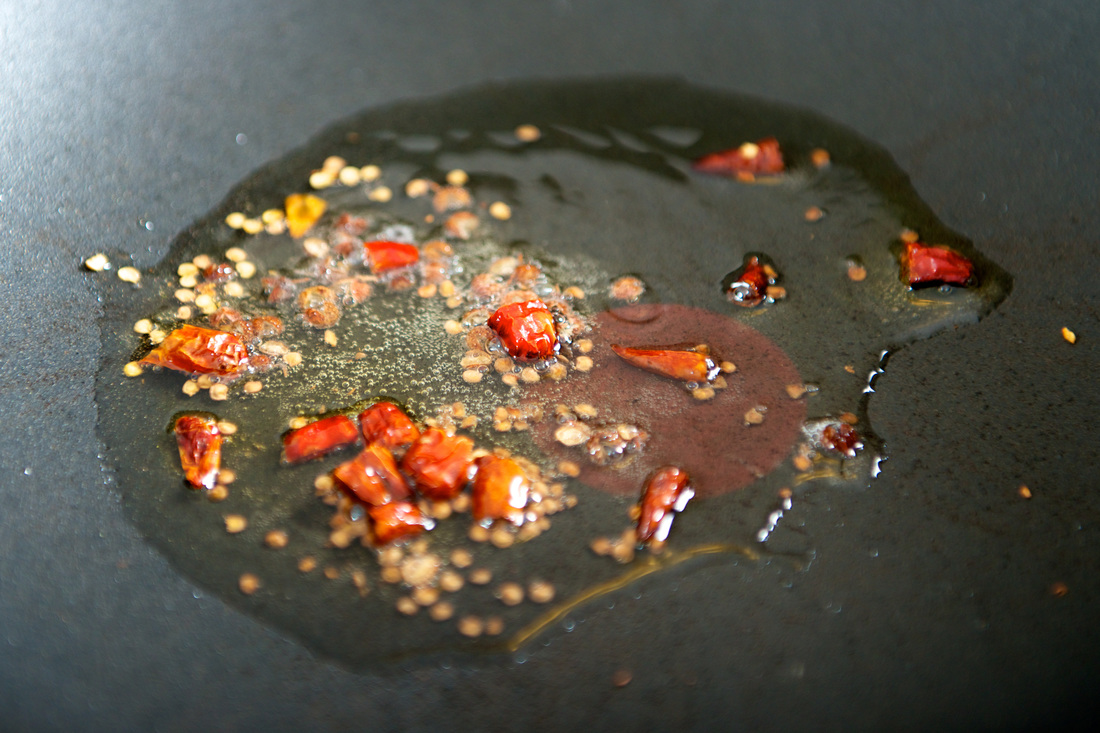
Cooking oil
Often the first step in many Chinese recipes is to ‘heat oil in the wok’. A variety of cooking oils add fragrance to the dish. Oil keeps the food from sticking to the wok. At a high temperature, oil can cook your dish in a few minutes.

Choose oils based on flavor preference or the oil’s benefits. If budget is the deciding factor, soybean oil (大豆油, dà dòuyóu) is a great choice. Soy bean oil aids in nourishing the intestines. A stressful work week may benefit from corn oil (玉米油, yùmǐ yóu), as it helps relax the heart and brain. Expecting mothers may consider walnut oil (核桃油, hétáo yóu) as it is packed with nutrients beneficial for the fetus’ brain, retina, skin and kidney development Peanut oil (花生油, huāshēngyóu) is a nutritious oil adding wonderful fragrance to dishes.

While different cooking oils possess distinct benefits, we cannot overuse it. Just because it's healthy, it doesn't mean you can drench your food in it. Scientific research shows that a daily intake of 25 grams is enough for adults.
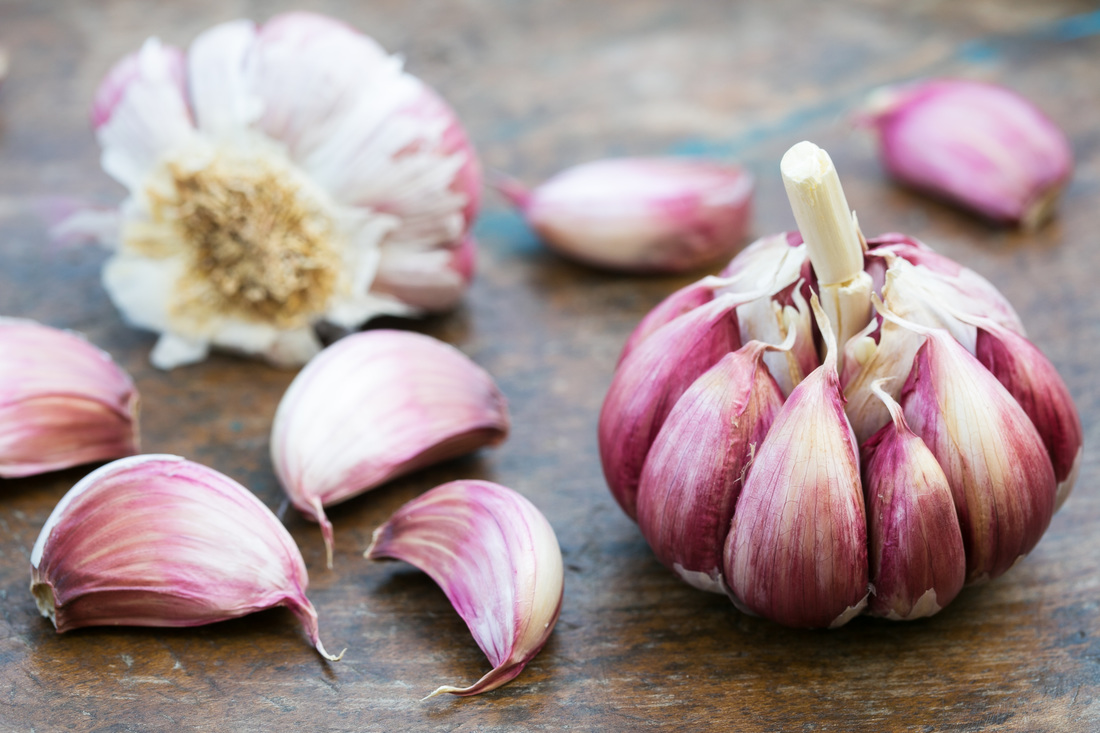
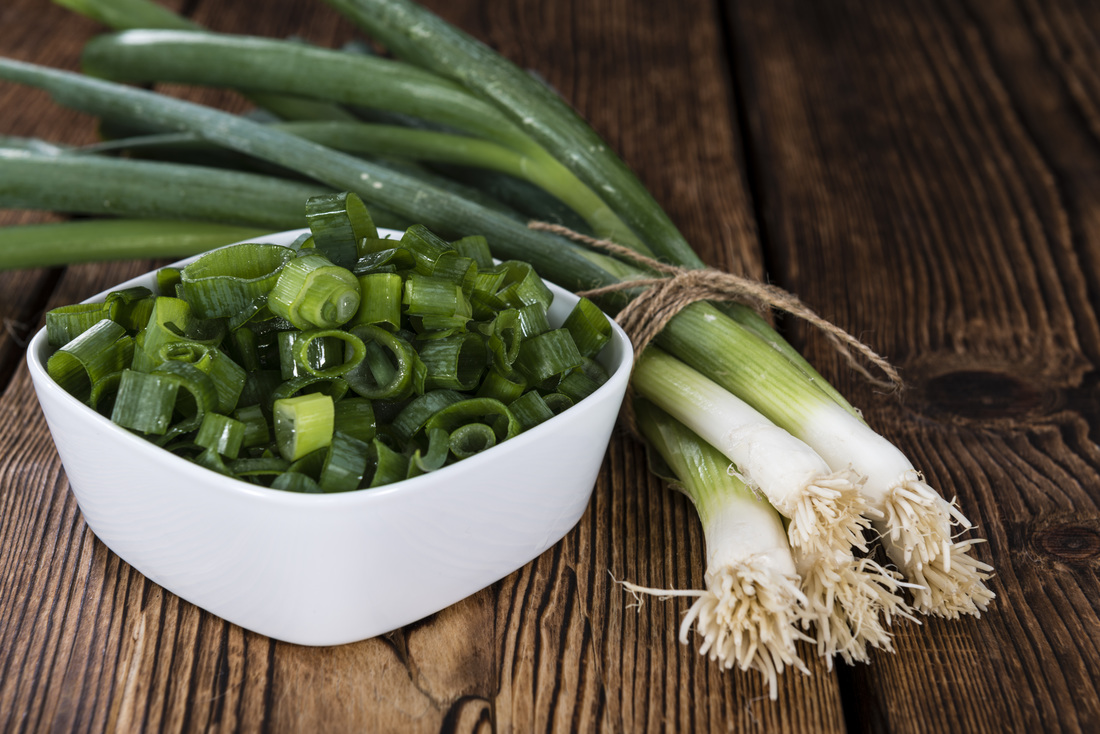
Ginger, Garlic, and Scallion
There is an old saying in China, "Eat ginger, garlic, and scallion daily, and the frequency of getting sick will decrease by half."

吃好葱姜蒜,病痛少一半
Chī hǎo cōng jiāng suàn, bìngtòng shǎo yībàn. 

In Chinese traditional medicine culture, food is medicine. To some extent, it can account for why in China, ginger, garlic, and scallion are indispensable ingredients. More than 2,000 years ago, Confucius wrote, “不撒姜食,不多食。”(Bù sā jiāng shí, bù duō shí.) It means Confucius ate ginger for every meal, but he did not eat much each time. Ginger has a mild nature, which warms the blood and stimulates appetite. Garlic is pungent and kills bacteria, especially great for preventing stomach and intestinal disease. Scallion may suppress bacteria formation and aid digestion. In addition to adding aromas to dishes, they also help support healthy physique and function.
Picture
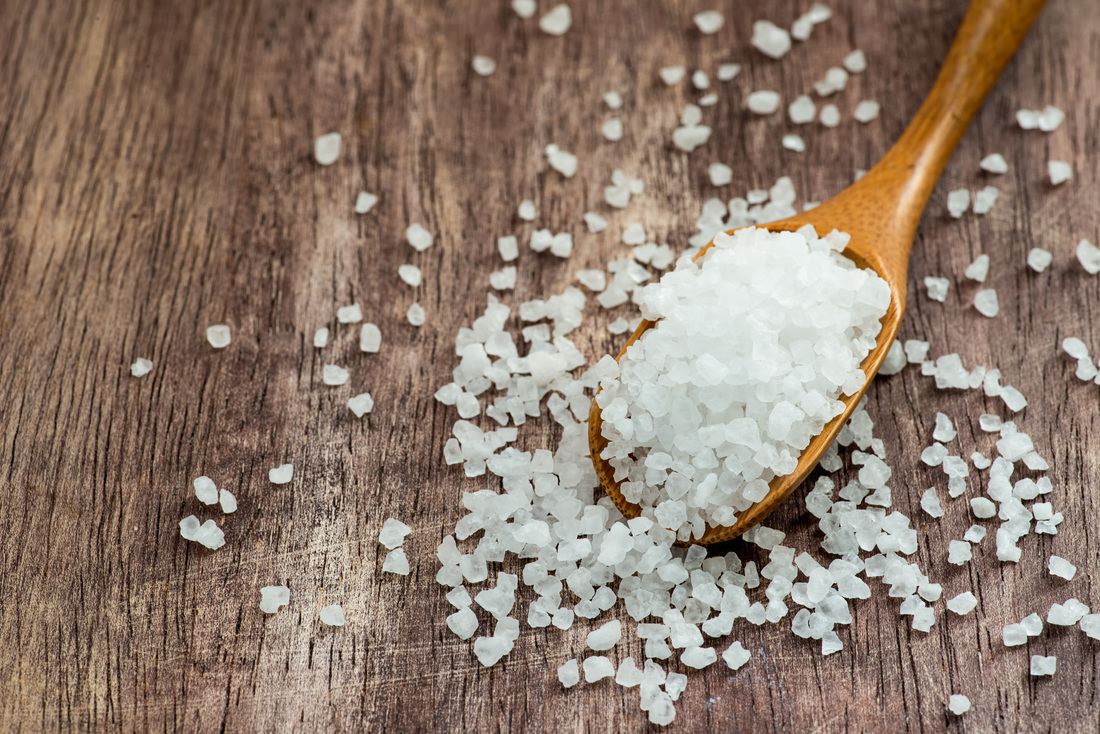
Salt
In Chinese culinary history, salt ranks high amongst all the food flavors (盐是百味之首, Yán shì bǎiwèi zhī shǒu). When tasting a dish before adding salt, the palate senses lack of flavor. Once enough salt is added, food tastes instantly delicious!
Picture
Written by Juling He
​The five ingredients are cooking oil, ginger, garlic, scallion, and salt.
Comments
comments powered by Disqus

    RSS Feed

    Categories

    All
    Beijing
    China
    Community
    Drinks
    Farms
    Inspiration
    Nyonya
    Pantry
    Pork
    Seasonal Stir-fry
    Shanghai
    Sichuan
    Street Food
    Vegetarian
    What's New

    Author

    I love to cook easy, homestyle recipes for family and friends. In this blog, you'll find stories and recipes I've learned from families in China and other parts of the world.

    Archives

    May 2017
    February 2017
    January 2017
    December 2016
    November 2016
    July 2016
    June 2016
    October 2015
    September 2015
    August 2015
    July 2015
    October 2012
    July 2012
    September 2011

    RSS Feed

ShowShanti

About

Support

Contact
FAQ
© COPYRIGHT 2015. ALL RIGHTS RESERVED.
  • Home
  • Recipes
    • Chinese Cuisine >
      • Soy-sauce-Braised Pork Belly
      • Shanti's Twice-Cooked Pork 湘緹的回鍋肉
      • Twice-Cooked Pork Haunch
      • September Stir-fry: Okra, Eggplant, and Peppers
    • Other Cuisines >
      • Guisado de Puerco
      • Kale & Quinoa Crustless Quiche
      • Kari Ayam (Malaysian Curry Chicken)
      • Tamarind Chili Pork Ribs
    • Food as Medicine >
      • Chinese Cold Remedies
    • Desserts >
      • Faye's Famous Carrot Cake
      • Lola's Leche Flan
  • Blog